A Year Plan for Balcony Vegetables
Beginner-to-advanced seasonal calendar for USDA 6–8 balcony pots — cool greens, warm fruiting crops, and autumn resows without overcrowding the rail.
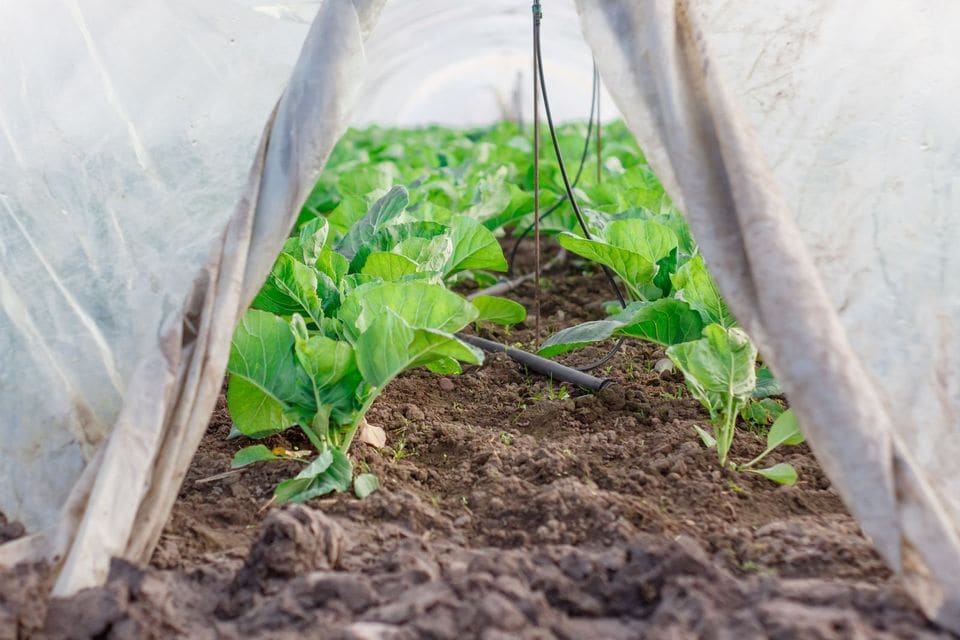
Photo: Pexels contributor · free stock, attributed
A balcony year is three overlapping seasons, not a single “plant everything in May” day. On temperate Northern Hemisphere urban balconies (USDA zones 6–8), start with a few pots you can water honestly, then add fruiting crops after nights warm. Hotter cities compress the cool-green window; colder cities lean on starts and frost cloth.
Compiled from common balcony edible-container practice.
Beginner path (three pots)
| Pot | Spring → early summer | Midsummer | Fall |
|---|---|---|---|
| A (trough ≥10 cm deep) | Lettuce mix | Shade or pause | Resow lettuce / radish |
| B (15–25 L) | — | Compact tomato or pepper | Clear after frost |
| C (3–5 L each) | Parsley / chives | Basil when warm | Move hardy herbs or replace |
Buy edible kit basics first: drainable mix, trays, ties, labels.
Month-by-month sketch (zones 6–8)
| Period | Focus |
|---|---|
| March–April | Sow cool greens and radish; start tomatoes indoors if using seed |
| May | Harden transplants; peas finishing; basil still waits for warm nights |
| June | Tomato / pepper / eggplant outdoors; first basil harvests |
| July | Water discipline; shade fruiting crops in heatwaves; succession greens only with shade |
| August | Last warm-crop care; plan fall sowings |
| September–October | Cool greens and radish again; harvest remaining fruit before hard frost |
| November–February | Empty summer pots; store fabric pots dry; plan next year’s volumes |
Use frost cloth and shade cloth as tools, not afterthoughts.
Intermediate upgrades
When the beginner trio survives a hot week and a rainy week:
- Add a pepper in ~20 L or eggplant.
- Add a strawberry pot for continuous garnish fruit.
- Try a simple companion layout with root-volume rules — not folklore charts (companion layouts).
- Track wet weight before doubling pot count (weight tool).
What not to schedule in year one
Large brassicas that need months of cool weather and huge pots, winter squash vines that own the whole rail, and mint sharing every trough. Those belong later — or never — on a small balcony.
Logging that keeps you honest
Keep a one-line note per pot: sow/transplant date, variety, pot liters, and first harvest. When July kills a lettuce tray, the log shows whether you sowed too late — not whether you “have a brown thumb.” Pair the calendar with watering when mix dries so heat weeks do not erase spring work.
Sources
- University of Minnesota Extension — Growing vegetables in containers
- University of Maryland Extension — Vegetable planting calendar
- Iowa State University Extension — Container vegetable gardening