Mixed Lettuce Cut-and-Come-Again on the Balcony
Tray depth, succession timing, and cut height for mixed lettuce on USDA 6–8 balcony troughs — cool-season windows and summer shade notes.
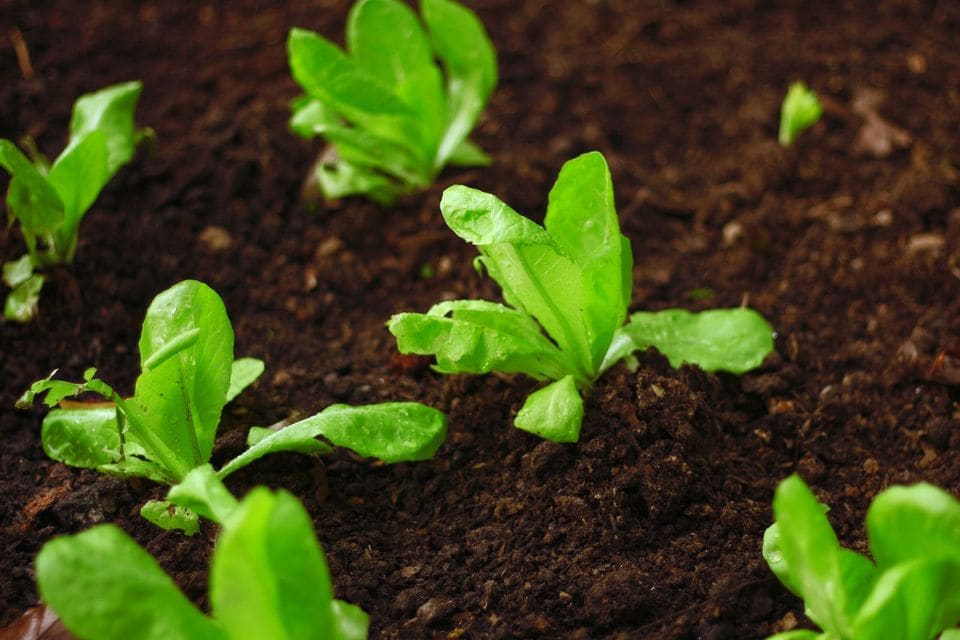
Photo: Daniel Dan / Pexels · free stock, attributed
Looseleaf mixes are the fastest edible win on a temperate Northern Hemisphere urban balcony (USDA zones 6–8). They like cool springs and autumns; hotter climates shift salad production to winter and early spring, while colder balconies may need a clear cover on the same trays. “Shallow” still means real depth — nursery inserts with only a few centimeters of mix crisp by lunch on a July rail.
Compiled from common balcony edible-container practice.
Tray and trough setup
| Spec | Target |
|---|---|
| Mix depth | ≥10 cm (≈4 in) |
| Container | Food-safe trough or crate with real drain holes + catch tray |
| Mix | Fine container or seed-starting blend; no gravel layer |
| Light | Cool months: 4–6+ h sun; midsummer: morning sun + afternoon shade or 40–50% shade cloth |
| Crop | Spacing / density | First cut (cool weather) |
|---|---|---|
| Looseleaf lettuce mix | Broadcast lightly or 3–5 cm apart | 25–40 days |
| Spicy mesclun (mustard, mizuna) | Dense broadcast | 20–30 days |
| Arugula | Broadcast | 20–30 days |
Skip heavy worm-casting loads in germination trays; keep castings for larger herb pots.
Succession (zones 6–8)
- March–May: sow a new tray every 10–14 days while nights are cool.
- June–August: pause outdoor sowings in heat, or sow only in deep shade / with shade cloth; expect bitterness and bolting.
- September–October: restart succession until hard frost; use frost cloth on exposed rails (frost cloth guide).
Label each trough with sow date. Mixed seed packets hide which type bolted first — notes beat memory.
Cut-and-come-again
- Wait until leaves are large enough to eat (usually 8–12 cm for looseleaf).
- Cut 2–3 cm above the crown with clean scissors — leave growing points.
- Water after harvest; return to finger-test watering at ~5 cm depth.
- Expect 2–3 meaningful cuts per sowing in cool weather; pull and resow when plants turn bitter or tall flower stalks form.
Do not scalp to bare soil. Do not wash leaves in the trough — harvest to a colander indoors.
Water and feed
Lettuce likes even moisture, not a swamp. Empty saucers within 30–60 minutes. After the first cut, a half-strength leafy fertilizer every 10–14 days is enough — see fertilizing thin and often. Heat stress shows as wilting at noon that recovers by evening; chronic heat needs shade, not more nitrogen.
Wet mass for long troughs adds up — check the pot soil weight tool before hanging a full rail of wet mix.
Bolting and bitterness
When days lengthen and nights stay warm, looseleaf types stretch a flower stalk and leaves turn bitter. Pull the plant, compost or cook the last mild leaves, and resow in a cooler micro-site. Mixing seed packets that include mustard will bolt earlier than butterhead types — that is normal, not a fertilizer failure. If aphids cluster on soft tips, rinse undersides with a strong water spray before any soap product, and keep harvest intervals honest on labeled sprays (aphid IPM).
Pairing with other pots
Keep mint out of the lettuce trough. A separate basil pot can sit nearby for salad harvest convenience once nights are warm — see kitchen herbs. Do not shade young lettuce under a large tomato cage in the same trough; give fruiting crops their own correctly sized pot.
Sources
- University of Minnesota Extension — Growing lettuce
- University of Maryland Extension — Growing lettuce in home gardens
- University of Minnesota Extension — Growing vegetables in containers