Pesticide-Light IPM for Balcony Edibles
Monitor-first pest steps for balcony vegetables and herbs — water rinse, hand removal, soap sprays with harvest intervals, and links to flower-container IPM on USDA 6–8 rails.
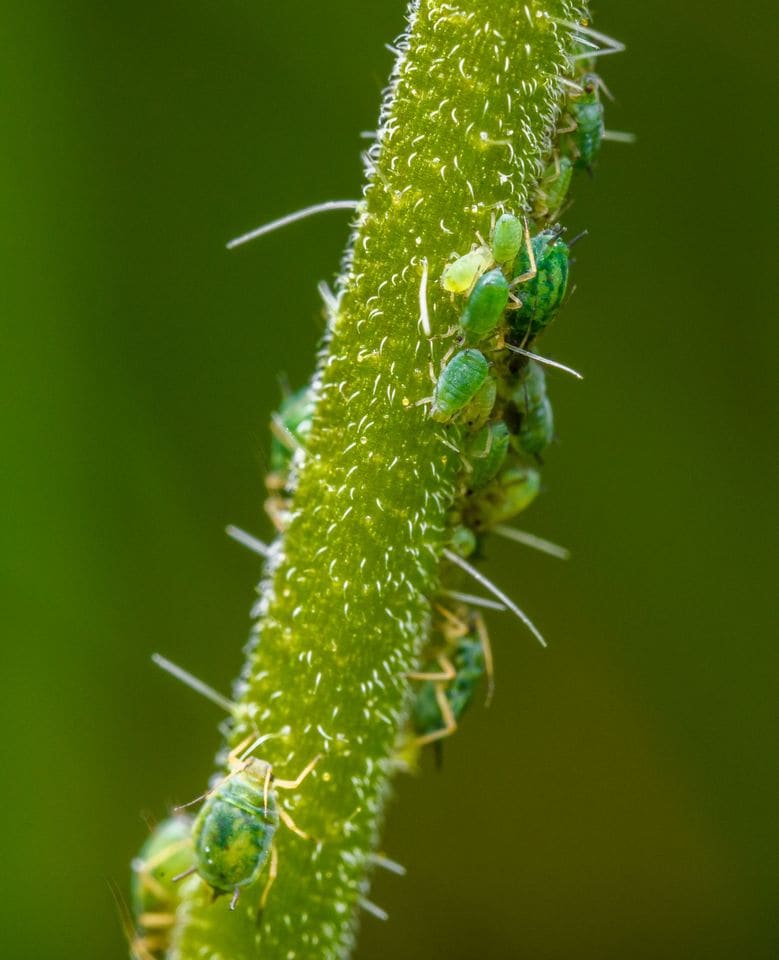
Photo: Egor Kamelev / Pexels · free stock, attributed
Food crops raise the stakes: anything you spray may end up on a plate. On temperate Northern Hemisphere urban balconies (USDA zones 6–8), start with monitoring and physical controls, then use labeled soap or oil products only when needed — and respect harvest intervals. Shared insect ID notes for containers also appear in aphids and fungus gnats.
Compiled from common balcony edible-container practice. This is general gardening information, not a pesticide recommendation for your jurisdiction.
Weekly monitor (2 minutes)
- Undersides of tomato, pepper, and basil leaves
- Soft tips of herbs
- Soil surface for fungus gnat adults when mix stays wet
- Sticky honeydew or sooty mold as a clue to aphids
Catch problems early and you rarely need a bottle.
Ladder of responses
| Step | Action |
|---|---|
| 1 | Blast aphids with a strong water rinse; repeat 2–3 days |
| 2 | Hand-pick caterpillars / beetles into soapy water |
| 3 | Prune heavily infested tips into the trash (not onto other pots) |
| 4 | Insecticidal soap or horticultural oil labeled for food crops — follow rate and PHI (pre-harvest interval) |
| 5 | Stop, rethink plant health (overcrowding, nitrogen push, wet mix) if pests rebound weekly |
Never mix random kitchen recipes at unknown strength on fruit you plan to eat tonight. Never spray in full noon sun (leaf burn risk). Keep products off blooms if pollinators are working the rail.
Cultural prevention
- Quarantine new plants 3–7 days
- Empty saucers so fungus gnats do not breed
- Give fruiting crops airflow — stake instead of a leafy tangle (stakes)
- Avoid stuffing mint into every trough
When to remove a plant
A virus-suspect tomato with mosaic patterning, or a pot rotten with soil pests after repeated floods, is often cheaper to discard than to spray. Clean the pot before reuse; do not pour diseased mix onto new nightshades.
Sources
- University of Minnesota Extension — Organic and inorganic pesticides
- University of Maryland Extension — Integrated pest management
- University of California IPM — Aphids