Strawberry Containers That Fruit
Day-neutral vs June-bearing strawberries in pots — volume, sun hours, crown depth, and balcony care for USDA 6–8.
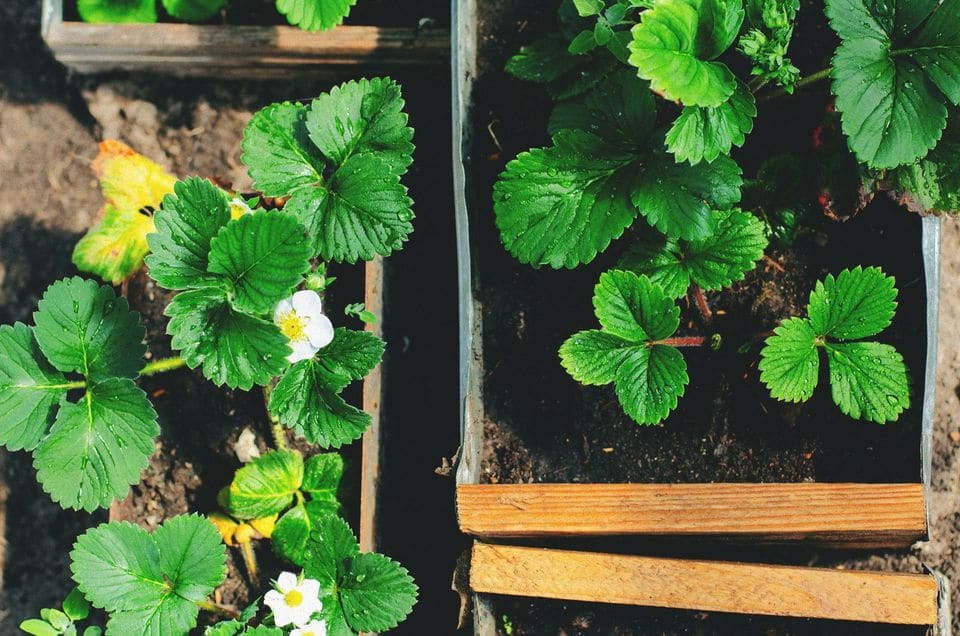
Photo: Tamara Elnova / Pexels · free stock, attributed
Strawberries fruit on a balcony when roots have enough mix, crowns stay unburied, and the plant sees real sun. On temperate Northern Hemisphere urban balconies (USDA zones 6–8), day-neutral types are the practical default for steady bowls of berries. Hotter regions fight summer heat on day-neutrals; colder balconies must protect crowns in winter or treat plants as annuals.
Compiled from common balcony edible-container practice.
June-bearing vs day-neutral
| Type | Pattern | Balcony role | Examples |
|---|---|---|---|
| June-bearing | One main crop | Big single harvest | Many traditional cultivars |
| Day-neutral | Flushes while temperatures allow | Steady garnish fruit | Seascape, Albion, Tribute (check local labels) |
Pot volume and planting
| Setup | Volume / depth | Plants |
|---|---|---|
| Single patio pot | 10–15 L, ≥15–20 cm deep | 1–2 |
| Railing trough | ≥12 cm depth | About 1 plant per 20–25 cm |
| Fabric bag | 20–30 L | 3–4 with a tray underneath |
Set the crown at mix level — never buried, never perched high and drying. Drainable mix; empty saucers in 30–60 minutes. 6+ h sun for serious fruit.
Skip stacked “towers” unless every pocket still gets light and daily water — top pockets dry first.
Care
- Pinch early runners on day-neutrals if you want fruit over free plants.
- Feed lightly after establishment with a fruit/flower-labeled liquid on a modest schedule.
- Bird netting or move pots at color stage if pigeons learn your rail.
- Winter: protect crowns or replace plants in spring if pots freeze solid repeatedly.
Wet weight matters for long troughs — weight tool.
Pests and cleanup
Slugs and pill bugs hide under damp trays — elevate pots and empty water that sits overnight. Birds learn ripe fruit fast; harvest at blush or use light netting that does not cook the foliage. After the main season, cut dead leaves, refresh the top few centimeters of mix, or replace exhausted plants rather than hoping a starved crown rebounds.
Sources
- University of Minnesota Extension — Growing strawberries
- University of Maryland Extension — Strawberries
- Iowa State University Extension — Growing strawberries in the home garden